

Parque Nacional Cajas, Azuay Province, Ecuador | Profile
Feb 04, 2026
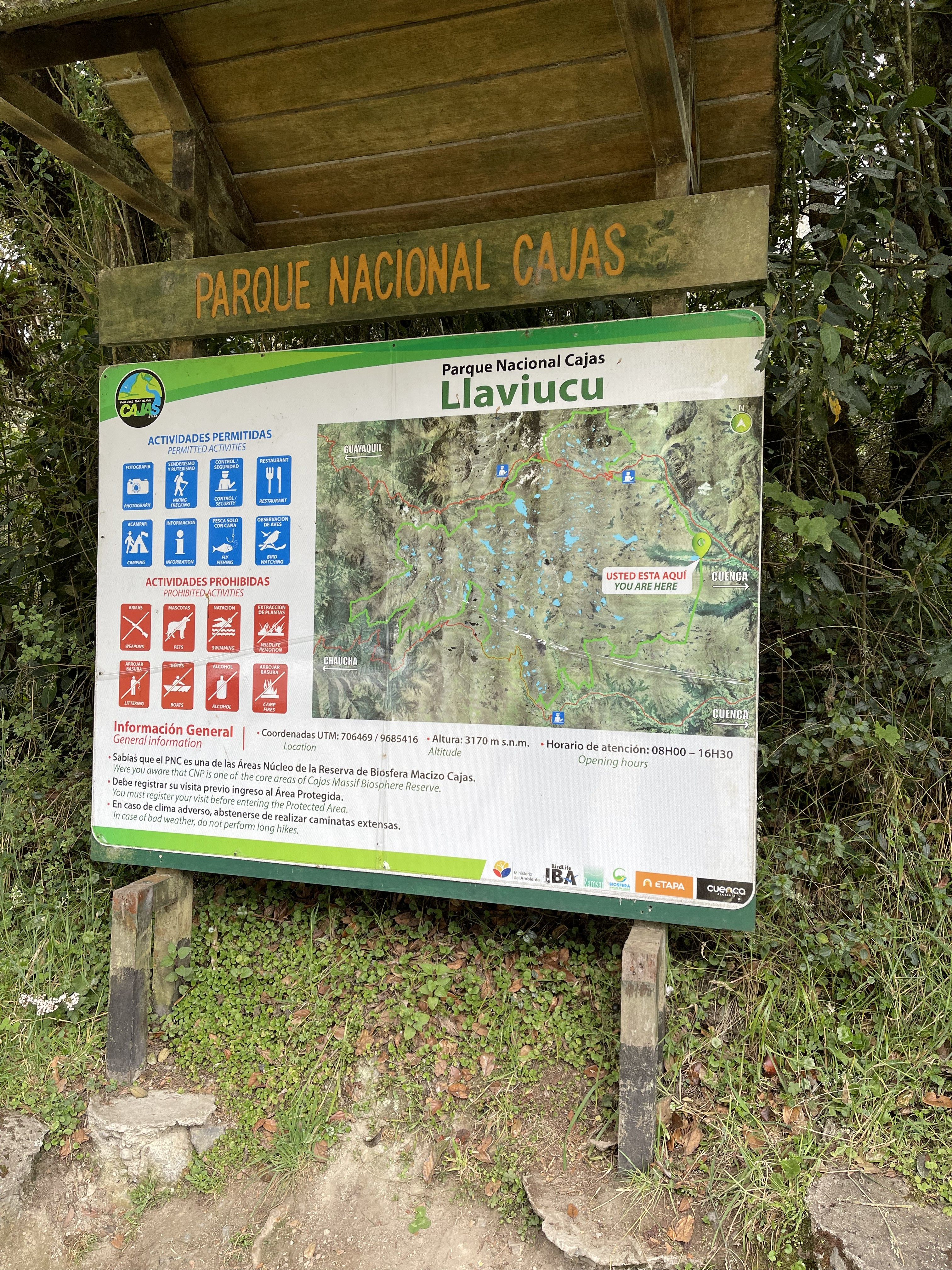 Geographic Context
Country: Ecuador
Region: Azuay Province
Nearest reference: West of Cuenca
Elevation: ~10,200–14,000 ft (3,100–4,270 m)
Background
Parque Nacional Cajas is a nationally protected area established to conserve high-elevation Andean ecosystems west of Cuenca, Ecuador. The park is managed by Ecuador’s national protected areas system and plays a critical role in water regulation for the surrounding region. Its network of lakes, wetlands, and páramo landscapes supports both biodiversity conservation and municipal water supply.
Habitat Description
Cajas National Park encompasses extensive páramo grasslands, glacial lakes, wetlands, and remnant patches of high-elevation Polylepis forest. Vegetation is adapted to cold temperatures, high winds, and intense solar radiation, with low-growing shrubs, cushion plants, and grasses dominating open areas.
Climate & Environmental Conditions
Conditions are cold, windy, and highly variable. Weather can shift rapidly, with fog, rain, and strong winds occurring throughout the day. Light levels fluctuate dramatically, ranging from heavy overcast to intense high-altitude sun within short time periods.
Ecological Significance
Cajas National Park protects one of the most intact páramo ecosystems in southern Ecuador. Its elevation range, hydrology, and habitat diversity support specialized high-Andean flora and fauna and contribute significantly to regional water capture and storage.
Observation Style
Wildlife observation is largely opportunistic and weather-dependent. Birds are often encountered along lakeshores, grassland edges, and rocky outcrops, with activity influenced by wind exposure and cloud cover. Visibility can change quickly with passing fog.
Seasonal Notes
Seasonal differences are subtle compared to lowland regions, though precipitation patterns influence access and visibility. Wildlife activity is more strongly affected by daily weather fluctuations than by calendar season.
Why This Place Matters
Cajas National Park represents a large-scale, protected example of Andean páramo and high-elevation wetland systems. Its conservation safeguards biodiversity, hydrological function, and long-term ecological processes critical to both wildlife and human communities.
Photographic Context
Photographic conditions are challenging due to wind, cold, and rapidly changing light. Wide-angle lenses are often used to capture expansive landscapes, while telephoto lenses are necessary for distant or low-density wildlife. Tripod use is common but frequently limited by wind and uneven terrain.
Observed Wildlife (Non-Exhaustive)
Birds: High-Andean waterfowl, ground-tyrants, hummingbirds, raptors
Mammals: Andean fox and other high-elevation mammals (occasionally observed)
Insects: Cold-adapted insects associated with wetlands and grasslands
Definitions
Montane — Ecological zones associated with mountainous regions, typically characterized by cooler temperatures and distinct biological communities compared to lowland areas.
Páramo (ecosystem) — A high-elevation tropical ecosystem above the upper forest line, dominated by grasses, shrubs, and specialized plants adapted to cold, wind, and high moisture.
Polylepis forest — High-elevation Andean woodland dominated by Polylepis trees, often fragmented and ecologically important for endemic species.