

Dark-eyed Junco: From Fledgling to Adult on the Blue Ridge Parkway
Jul 22, 2026
From Fledgling to Adult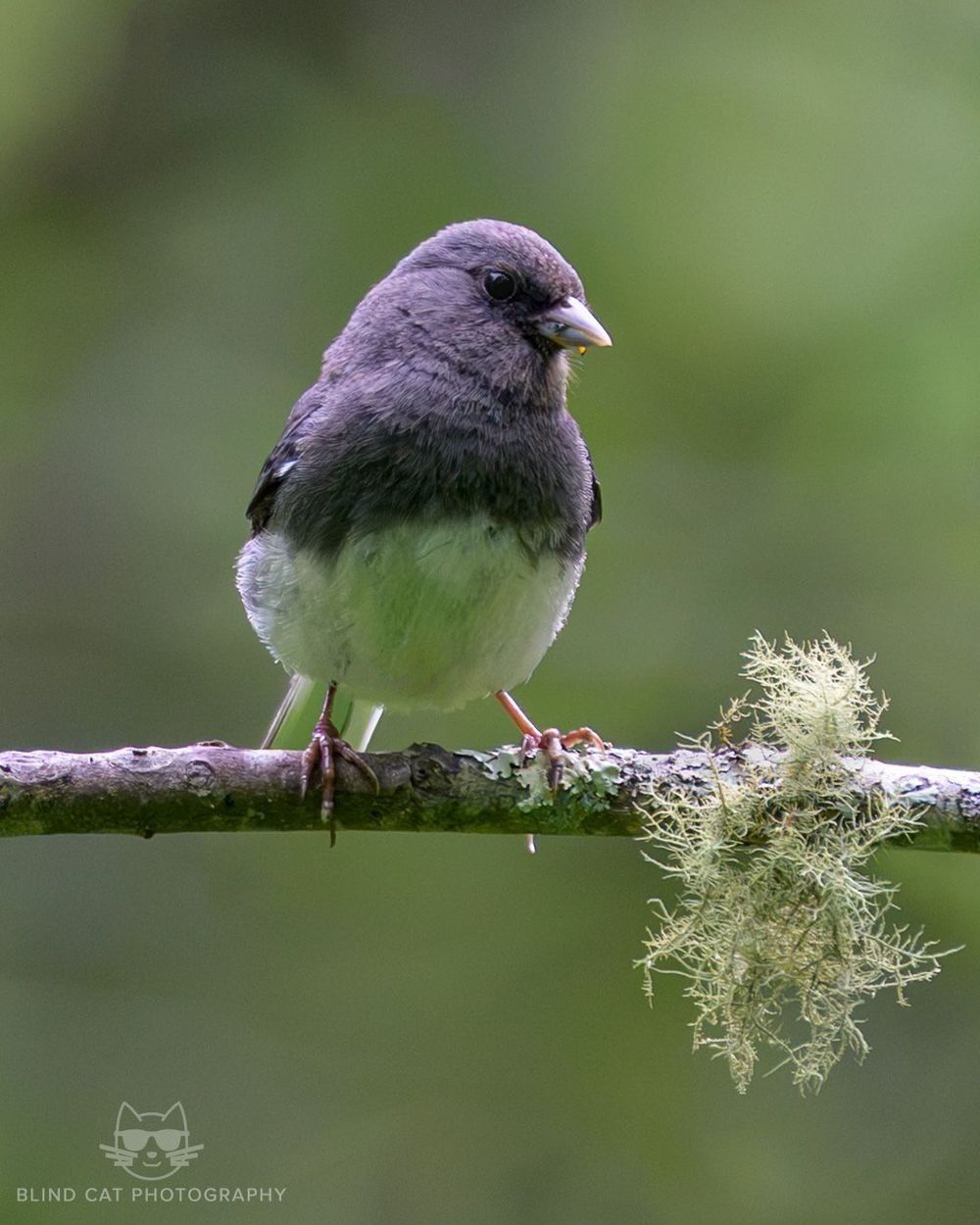
Dark-eyed Juncos are among the most familiar winter birds across much of the eastern United States, but in the higher elevations of Western North Carolina they remain throughout the summer to breed.
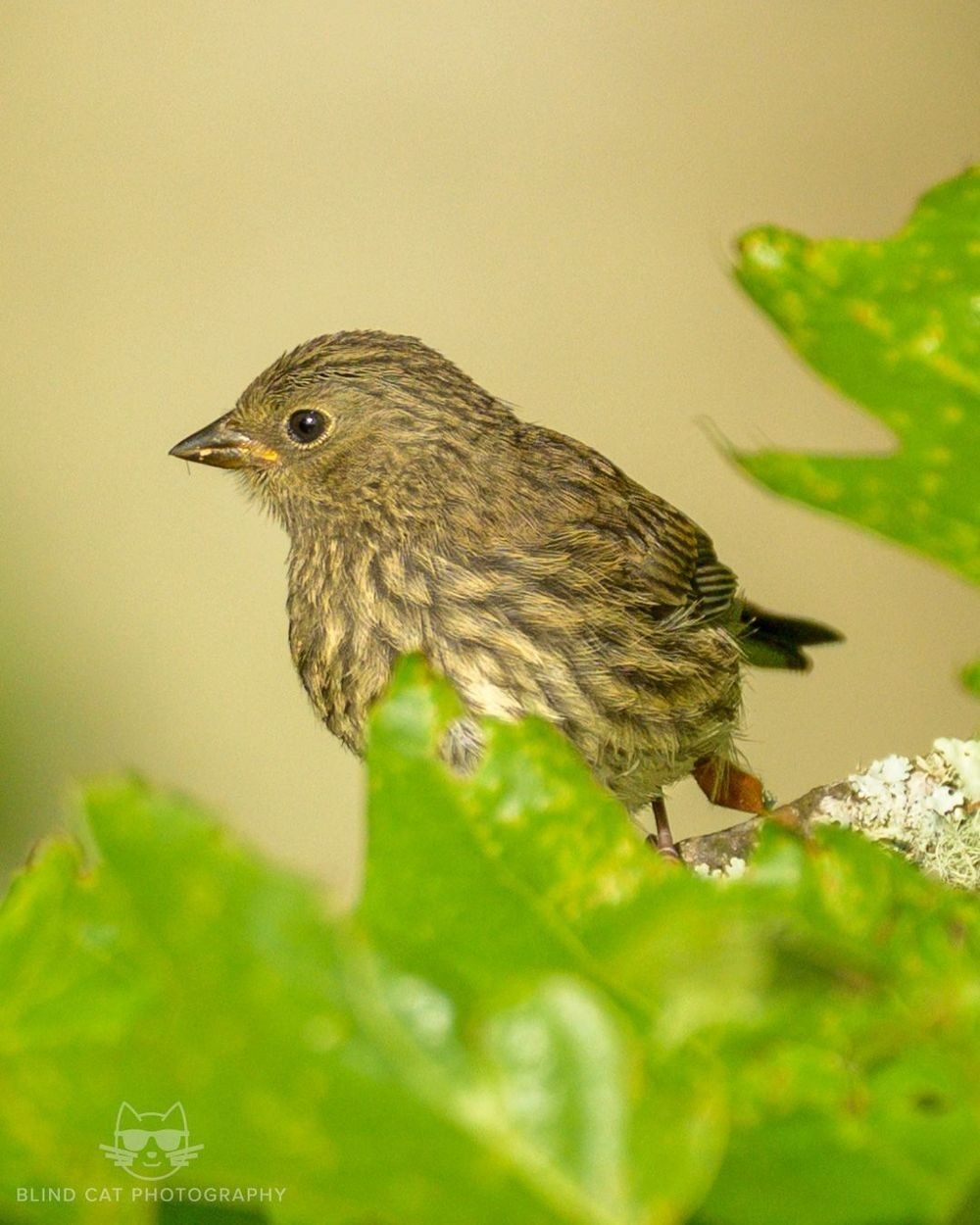
The first photograph, taken in early June, shows a recently fledged juvenile. Just over a month later, during another visit to the Blue Ridge Parkway near the Roy Taylor Forest Overlook, I photographed a fully mature adult. Seeing both life stages in the same general location offered an excellent opportunity to compare their appearance and better understand the species' breeding cycle.
Like many overlooks along the Blue Ridge Parkway, the steep mountainsides create an advantage for bird photography. Instead of looking straight up into the canopy, the terrain often places observers nearly at eye level with birds that spend much of their time in the upper branches.
Juvenile Dark-eyed Junco vs Adult: How to Tell the Difference
The differences between a juvenile and an adult Dark-eyed Junco are striking.
Recently fledged juveniles display heavily streaked brown plumage across the breast, flanks, and back. Their feathers appear softer and fluffier than those of adults, and many still show a pale yellow gape at the corners of the bill—a telltale sign of a young bird that has only recently left the nest.
Adult females can appear somewhat browner than males, which often causes confusion. However, females lack the heavy streaking and fluffy juvenile plumage seen in recently fledged birds.
The second photograph shows a mature Slate-colored Dark-eyed Junco with the clean gray hood, crisp white belly, pale pink bill, and sharply defined plumage that birders typically associate with the species.
Understanding these age-related differences makes identification much easier during the breeding season, when adults and young birds often occupy the same habitat.
Breeding in the Southern Appalachians
Although many people think of Dark-eyed Juncos as winter birds, the higher elevations of the southern Appalachians tell a different story.
Western North Carolina lies within the species' breeding range, where the cool spruce-fir and northern hardwood forests of the Blue Ridge Mountains provide ideal nesting habitat.
Dark-eyed Juncos typically begin nesting in late spring, constructing well-concealed nests on or near the ground beneath shrubs, grasses, exposed roots, or fallen logs. By early June, many young birds have already left the nest but continue to follow their parents while learning to forage independently.
This timing explains why birders visiting the Blue Ridge Parkway in early summer frequently encounter recently fledged juveniles alongside breeding adults.
Feeding Behavior and Habitat
Dark-eyed Juncos spend much of their time foraging on or near the ground, searching for seeds, insects, spiders, and other small invertebrates. During the breeding season, insects become particularly important because they provide the protein needed for growing young.
Although they are often associated with forest floors, breeding juncos regularly perch in low branches and shrubs while remaining close to nesting areas. The mature bird photographed here paused briefly on a lichen-covered branch before disappearing back into the surrounding forest, while the juvenile remained concealed among low vegetation, where its streaked plumage provided excellent camouflage.
These different behaviors reflect the changing needs of each life stage as young birds gain independence and adults continue raising late broods.
Why This Comparison Matters
Photographing both a juvenile and an adult Dark-eyed Junco was a reminder that identifying birds often involves recognizing age as much as species.
Field guides usually illustrate breeding adults, yet young birds can look remarkably different for several weeks after leaving the nest. Understanding those differences adds another dimension to birding and often answers one of the most common identification questions encountered during summer.
For me, these two encounters also highlight why I enjoy returning to the Blue Ridge Parkway throughout the breeding season. The landscape remains familiar, but the birds are constantly changing. One visit may reveal newly fledged juveniles taking their first tentative steps toward independence, while another showcases adults continuing the annual cycle of nesting and raising young in the cool forests of the southern Appalachians.
Watching those seasonal transitions unfold is one of the most rewarding aspects of spending time in the field.