
Zuro Loma Birding Ecuador: Field Notes from an Andean Cloud Forest Hummingbird Preserve
Feb 01, 2026
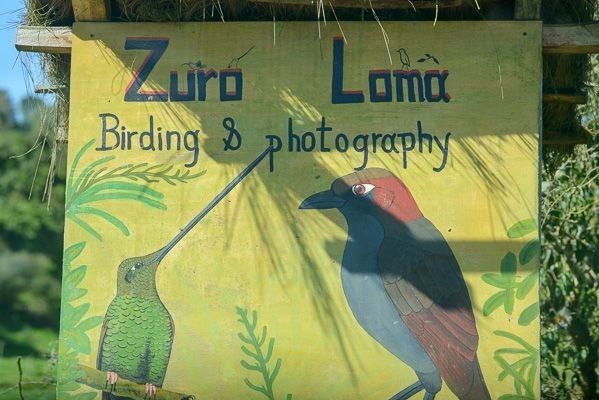
Arrival at Zuro Loma Preserve
Following our morning birding session at Yanacocha Reserve, our next stop on September 27, 2021, was Zuro Loma Preserve. My wife and I arrived with our guide, Andres Vasquez, and his driver from Tropical Birding Tours at approximately 9:00 AM and birded until 11:30 AM.
The contrast from Yanacocha was immediately noticeable.
Earlier in the morning, Yanacocha had felt cold and rugged, shaped by high elevation and thin mountain air. By the time we reached Zuro Loma, the skies were exceptionally clear and temperatures had warmed considerably. The brighter conditions changed both the bird activity and the feel of the landscape.
It was immediately clear that this would be a very different birding experience.
A Cloud Forest Built for Birding
Zuro Loma Preserve protects high-elevation Andean montane cloud forest on the western slopes of the Andes. The habitat is characterized by dense vegetation, moss-covered branches, epiphytes, and layered forest structure that supports a remarkable diversity of birdlife.
This elevation band forms an important ecological transition between cloud forest and higher páramo ecosystems. That transition creates a concentration of nectar sources, insects, and shelter, making the preserve especially attractive to hummingbirds and other specialized montane species.
The preserve is particularly well known for providing access to species that can be difficult to observe in more densely forested areas.
Managed feeding stations and carefully maintained observation areas allow birders and photographers opportunities to study species behavior in exceptional detail.
Morning Hummingbird Activity
As temperatures rose through the morning, bird activity increased noticeably.
Hummingbird activity became the defining experience at Zuro Loma. Feeding stations and surrounding flowering vegetation drew a steady stream of birds, creating nearly constant movement throughout much of the observation period.
The speed and precision of these birds was remarkable.
Short flights between feeders, brief territorial interactions, and rapid feeding visits created a constant cycle of motion. Even brief pauses often lasted only seconds before another burst of activity followed.
This habitat supports several extraordinary Andean hummingbird species, each uniquely adapted to life at elevation. Watching them hover, maneuver, and defend feeding territories offered a fascinating look at the energy demands and behavioral intensity of hummingbird life.
The combination of abundant nectar resources and concentrated feeding areas made Zuro Loma one of the most active hummingbird locations we experienced during our Ecuador trip.
Photography in Better Light
From a photography standpoint, Zuro Loma offered significantly different conditions than Yanacocha.
The clear skies and stronger light provided more flexibility with shutter speed and ISO settings, which was especially helpful when photographing fast-moving hummingbirds. Better light allowed for cleaner files and improved opportunities to freeze motion.
Even with favorable conditions, hummingbird photography remained challenging.
Capturing sharp images required anticipating movement, pre-focusing on likely perches, and reacting quickly during short windows of activity. Success depended on patience, preparation, and careful observation of movement patterns around feeders and flowering plants.
The improved light also produced cleaner backgrounds and stronger subject separation, enhancing opportunities for both behavioral and portrait-style images.
Why Zuro Loma Matters
Zuro Loma Preserve represents far more than an excellent birding destination.
It serves as an important refuge within Ecuador’s Andean cloud forest ecosystem, helping protect critical habitat for species adapted to this narrow elevational band. Preserves like Zuro Loma play an important role in both conservation and ecological awareness by making these habitats accessible to birders, photographers, and researchers.
For me, Zuro Loma stands out as one of the most memorable hummingbird locations of our Ecuador journey.
The combination of exceptional bird activity, outstanding habitat, and ideal viewing opportunities created a remarkable field experience. It was a powerful reminder of how elevation, habitat, and food availability combine to shape bird behavior in some of the most biologically rich environments in the Andes.