

Ruby-throated Hummingbirds: The Remarkable Journey South and Back
Sep 25, 2026
September: The Journey South Begins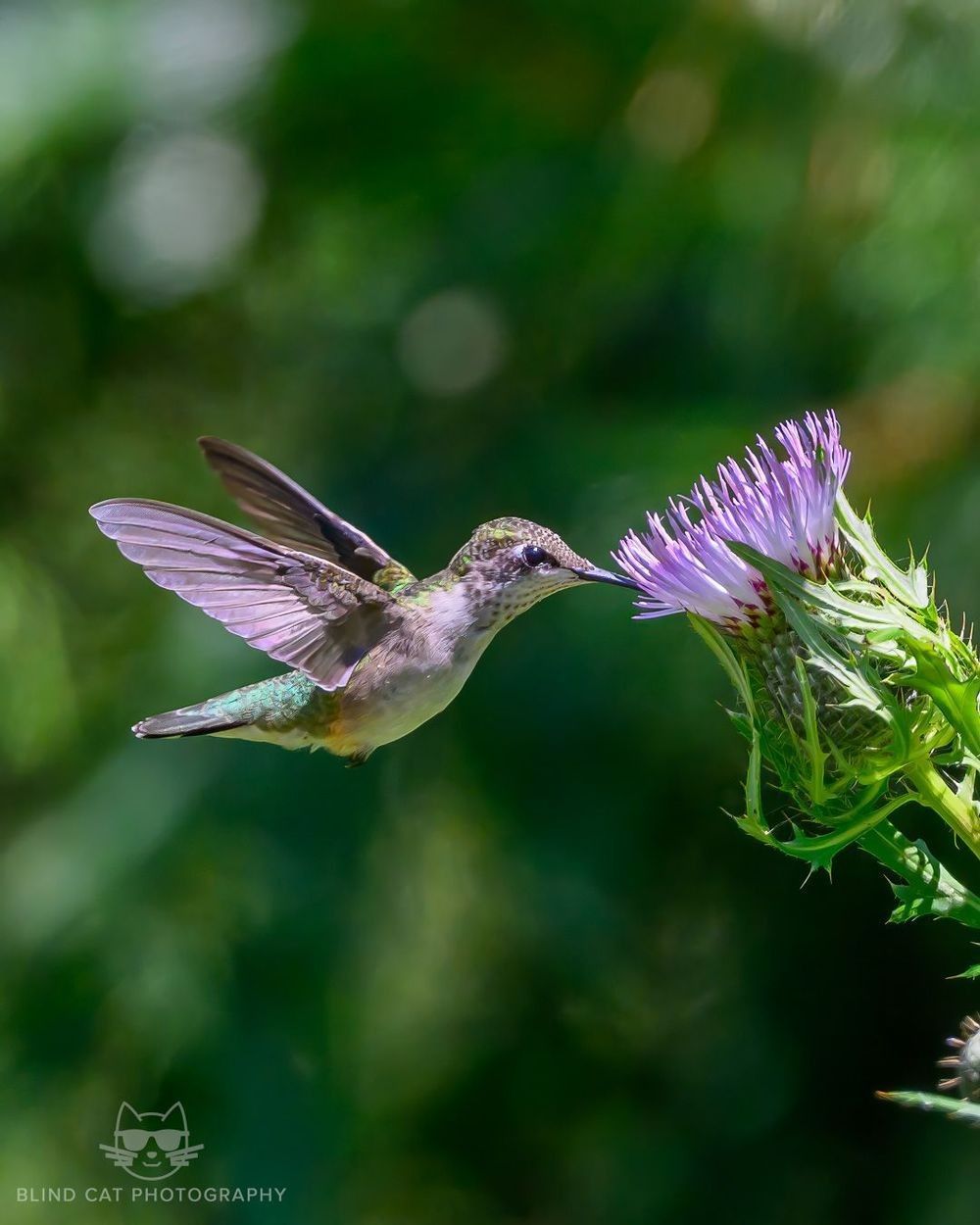
On September 25, Ruby-throated Hummingbirds were still visiting our native meadow and feeders in Franklin, North Carolina. But by this point in the season, fall migration was already underway.
Adult males generally begin departing their breeding territories first, sometimes as early as July or August. Females and juveniles follow, with substantial southbound movement continuing through September. By mid-October, most Ruby-throated Hummingbirds have left North Carolina.
Unlike geese or other birds that migrate in groups, hummingbirds travel individually. Even young birds undertaking their first migration make the journey without parental guidance.
The hummingbird visiting a feeder today may be hundreds of miles farther south within the next week.
Which Route Do Ruby-throated Hummingbirds Take?
Ruby-throated Hummingbirds breed throughout eastern North America, from the southeastern United States into southern Canada. Each fall, most travel toward wintering grounds in Mexico and Central America.
Their routes vary, but two general strategies bring them around or across the Gulf of Mexico.
Some follow an overland route through the southeastern United States and along the Gulf Coast, eventually reaching Mexico. Others travel south to the Gulf Coast before making a direct flight across open water toward the Yucatán Peninsula.
Cornell notes that the routes used during spring and fall may differ, and not every hummingbird makes the Gulf crossing.
The migration at a glance
|
Fall departure |
July–October, with major movement in August and September |
|
Routes |
Overland around the Gulf or directly across it |
|
Gulf crossing |
Approximately 500 miles (805 km) |
|
Nonstop flight |
Approximately 18–22 hours in favorable conditions |
|
Winter destinations |
Primarily southern Mexico through Central America |
|
Return to WNC |
Late March–April, varying by year and location |
Migration timing and routes vary among individuals.
Crossing the Gulf of Mexico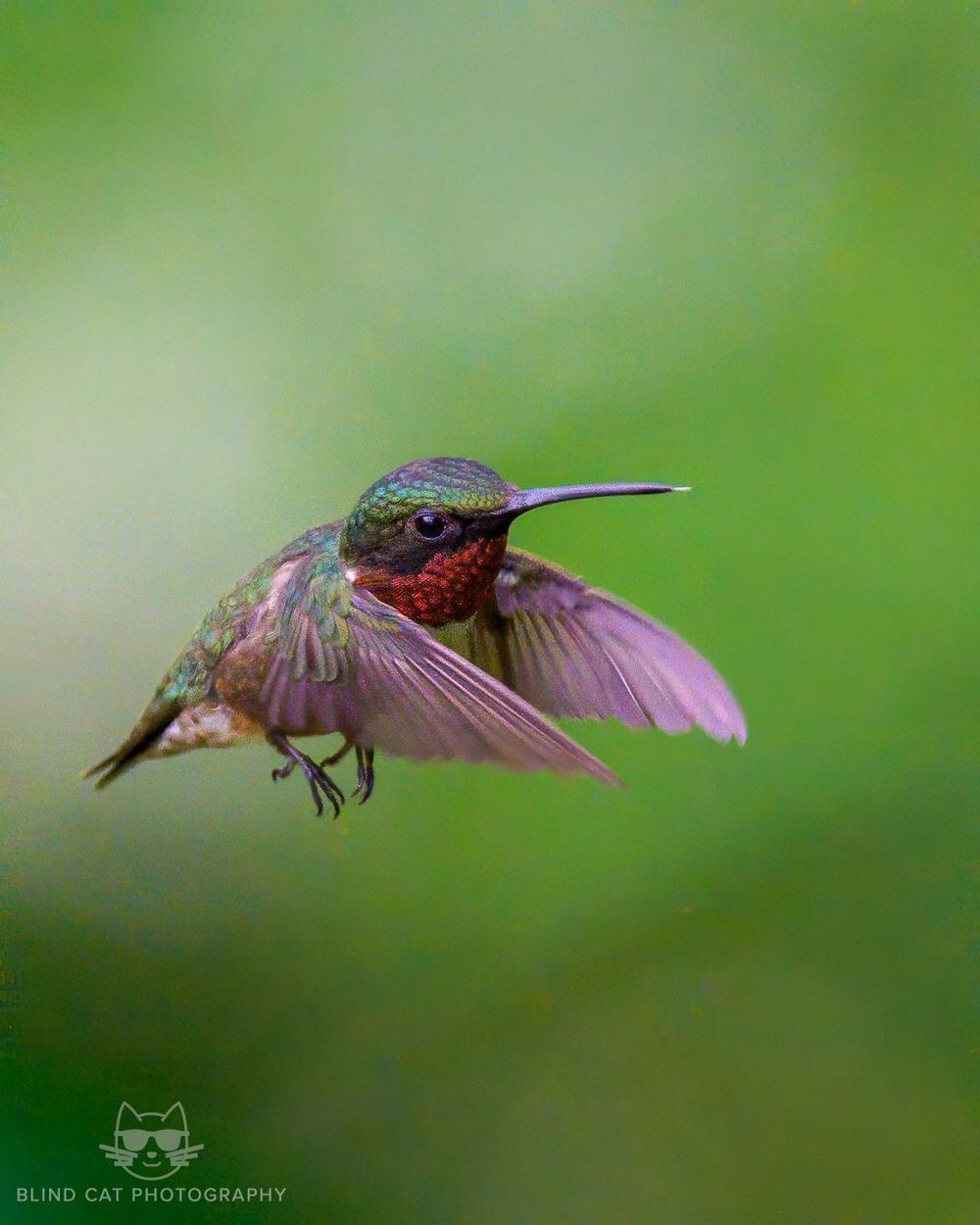
Perhaps the most remarkable part of the Ruby-throated Hummingbird's migration is the nonstop flight some birds undertake across the Gulf of Mexico.
The crossing can cover approximately 500 miles (805 km) and take 18–22 hours under favorable conditions. During that time, there are no flowers, feeders or safe places to land.
Before undertaking such a flight, hummingbirds accumulate substantial fat reserves. Some nearly double their body weight, storing enough energy to sustain hours of continuous flight.
Weather can make the crossing considerably more difficult. Strong headwinds increase energy consumption, while storms can delay departure or endanger birds already over open water.
For those taking the coastal route instead, the journey involves a series of flights and feeding stops rather than one long crossing.
How Long Does the Entire Migration Take?
The Gulf crossing may take less than a day, but the complete migration is a much longer undertaking.
Hummingbirds must alternate travel with periods of feeding and rebuilding their energy reserves. Their progress depends on weather, available food, individual condition and the route they follow.
Journey North reports that banding records have documented one hummingbird traveling 1,200 miles in 12 days, while another covered 335 miles in seven days. However, average progress is estimated at fewer than 25 miles per day when feeding and stopovers are considered.
For a hummingbird departing Western North Carolina, the complete journey to its wintering grounds may therefore extend over several weeks. There is no single travel time that applies to every bird.
Where Do They Spend the Winter?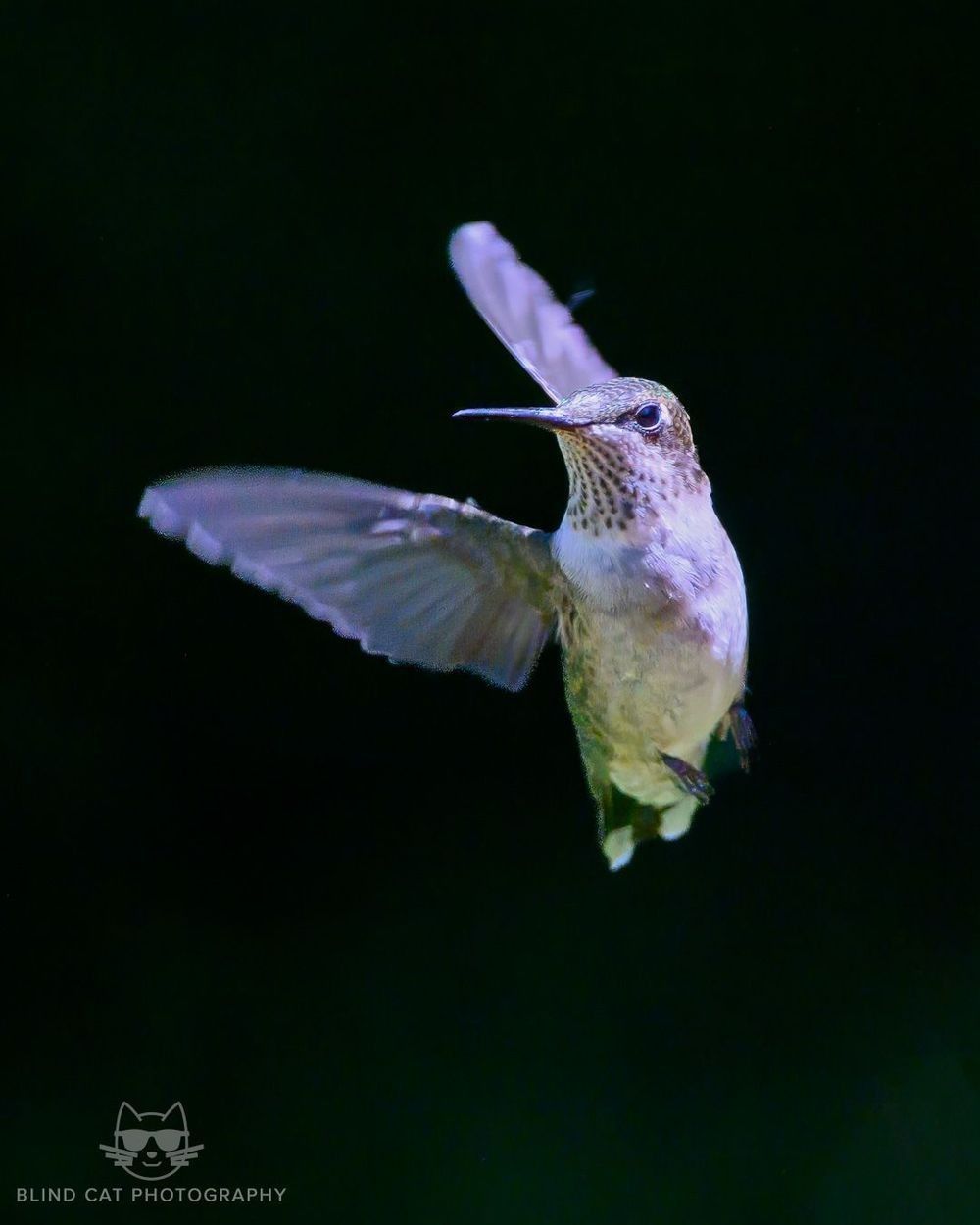
Most Ruby-throated Hummingbirds spend winter from southern Mexico through Central America, with their range extending as far south as Panama. Smaller numbers remain along parts of the southern United States, including Florida and the Gulf Coast.
Their winter habitat includes tropical forest edges, gardens, flowering vegetation and other areas where nectar and small insects remain available.
They are not simply waiting for spring. Throughout winter, hummingbirds continue feeding, maintaining their territories and surviving in habitats that may be very different from the Appalachian forests where they spent the summer.
When Will They Return to Western North Carolina?
The northbound journey begins surprisingly early.
Some Ruby-throated Hummingbirds begin moving north from their wintering grounds in January and February. The earliest migrants reach the Gulf Coast in late February or March, and the movement north continues as spring progresses.
In Western North Carolina, the first Ruby-throated Hummingbirds can appear in late March, with arrivals becoming more widespread during April. Adult males typically precede females, allowing them to establish feeding and breeding territories.
Their arrival is closely associated with the return of spring flowers and insects, which provide the resources needed after migration.
Why Habitat Matters Along the Journey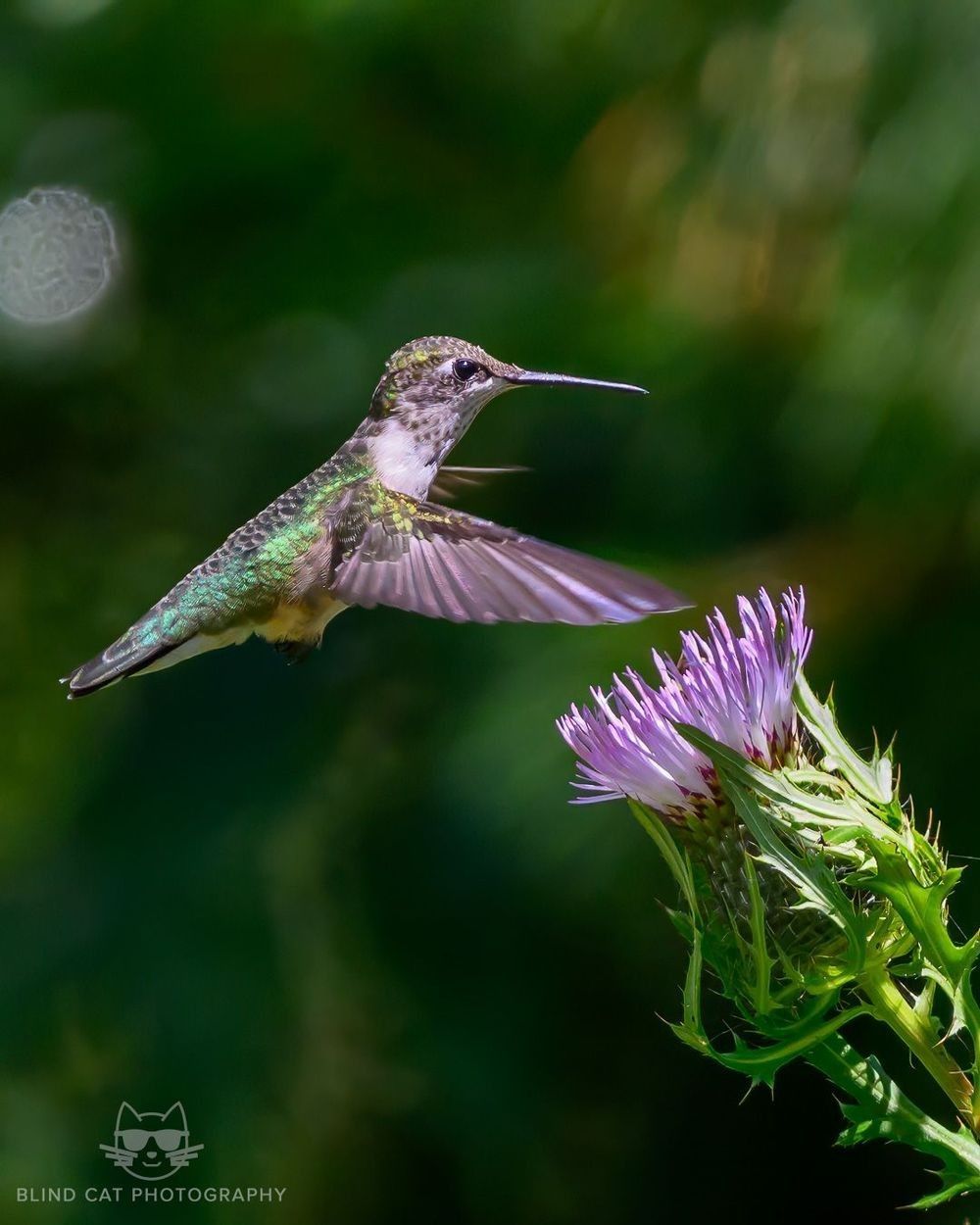
For migrating hummingbirds, suitable habitat is important throughout the entire journey—not just at their summer and winter destinations.
Our one-acre native meadow provides natural nectar sources and supports insects during the growing season. In September, those resources can benefit both our summer residents preparing to depart and migrants passing through from farther north.
Across the eastern United States, similar patches of flowering habitat, woodland edges and coastal vegetation provide places where hummingbirds can rest and replenish their energy reserves.
The hummingbirds photographed here in summer may travel all the way to Central America before returning north next spring. We cannot know whether the same individuals will return to our meadow, but by April, we'll once again be watching for that familiar flash of green among the first spring flowers.