

Why Public Lands Matter to Appalachian Birds
Sep 24, 2026
More Than a Place to Visit
When we think about public lands, it's easy to think first about what they provide for us—scenic overlooks, hiking trails, waterfalls, recreation, and places to photograph wildlife.
For birds, these landscapes serve a much more fundamental purpose.
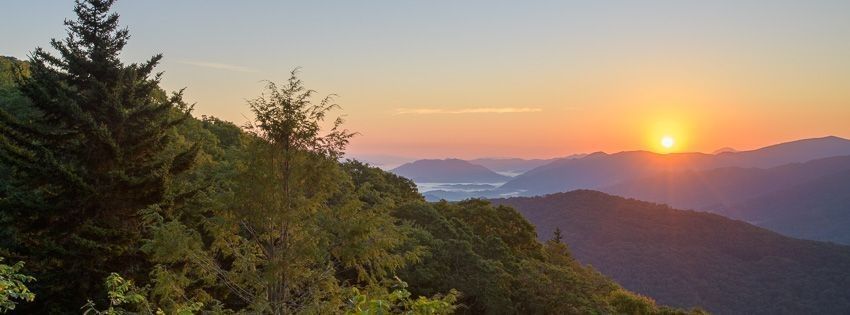
The Blue Ridge Parkway protects habitats ranging from lower valleys to high-elevation forests. More than 250 bird species have been observed along the Parkway, including breeding birds and dozens of additional species that pass through during spring and fall migration.
That diversity is possible in part because changes in elevation, forest type, vegetation, moisture, and disturbance create different habitats within the Appalachian landscape. The birds I've photographed along the Parkway demonstrate how important those differences can be.
Blue-headed Vireo: Mature Forest Matters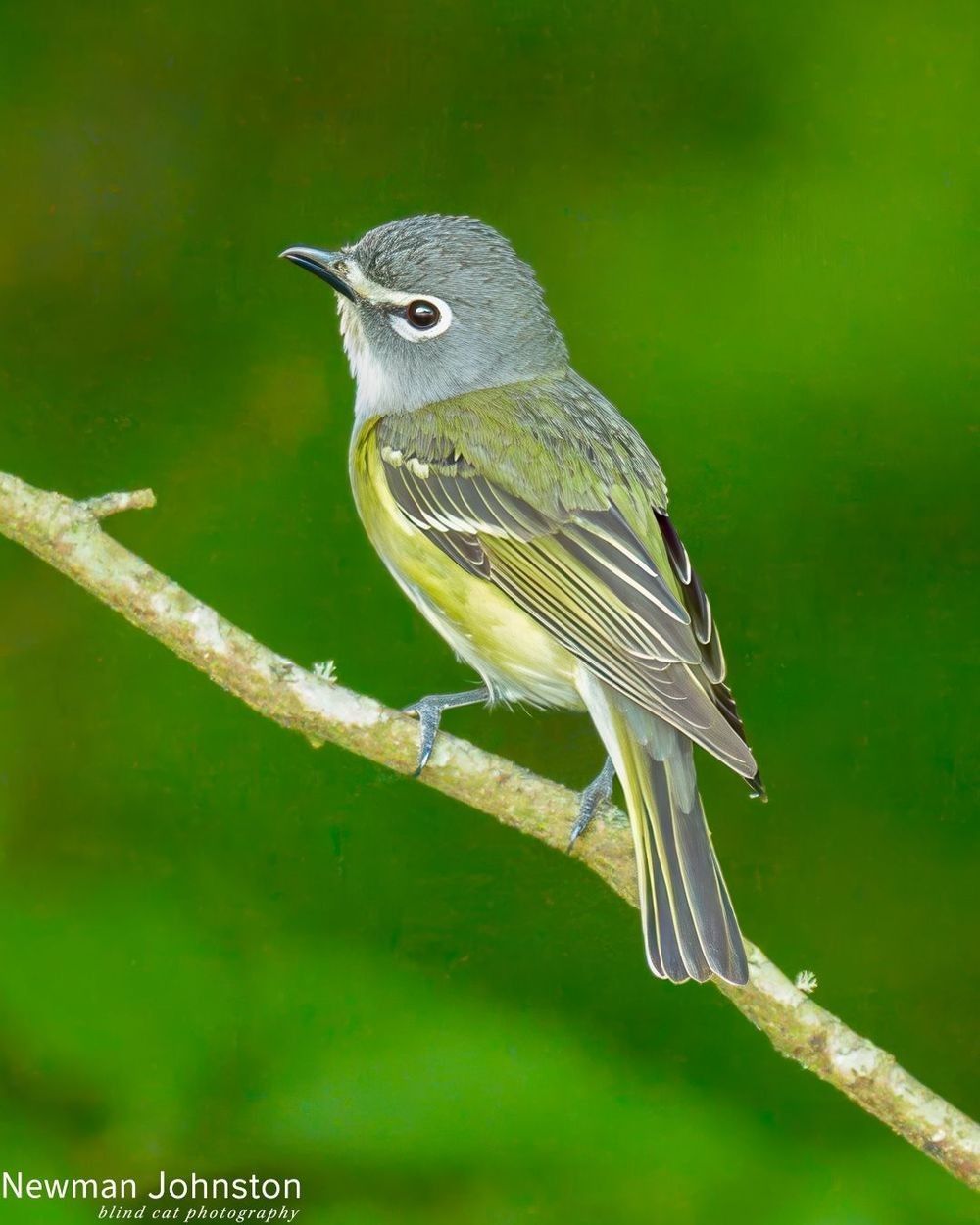
For several years, I heard Blue-headed Vireos in the mountains without ever managing to photograph one. Their song often announced their presence while the bird remained somewhere above me in the foliage.
That finally changed along the Blue Ridge Parkway.
The steep mountainsides surrounding the road can create an unusual advantage for bird observation. Instead of looking far upward into the canopy, there are places where the road and overlooks put you nearly eye level with treetops growing farther down the slope.
Blue-headed Vireos are well suited to this mature forest environment. In the Appalachians, they use both coniferous and deciduous woodland, and nesting birds favor mature forests with a closed canopy and healthy understory. They feed primarily on insects and larvae, often searching deliberately among branches and leaves.
Protecting mature forest doesn't simply preserve trees. It preserves the layers and complexity of habitat that forest-dependent birds need.
Chestnut-sided Warbler: Young Forest Matters Too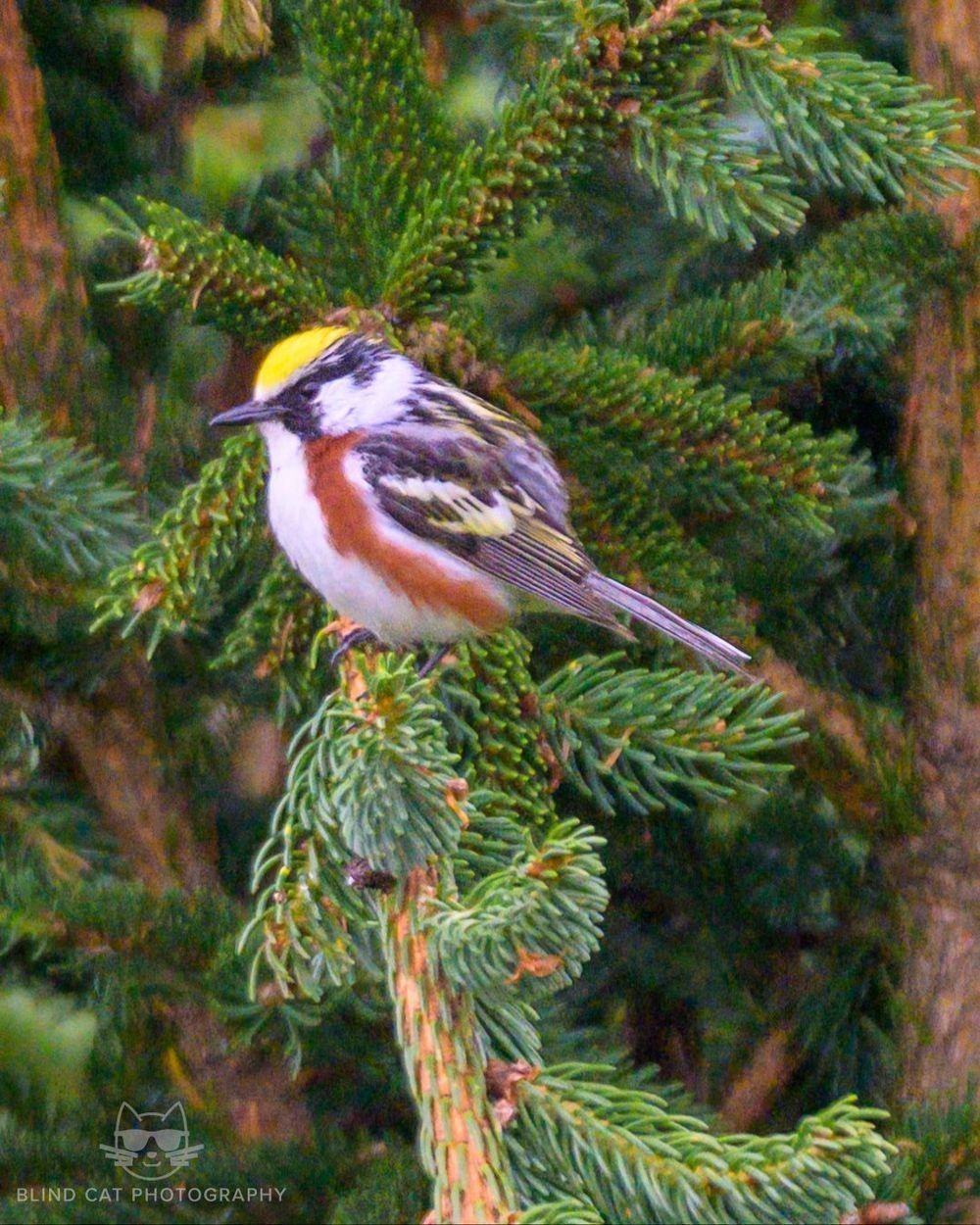
The Chestnut-sided Warbler tells a different story.
I photographed a breeding-plumaged Chestnut-sided Warbler along the Parkway in July. Again, the steep terrain provided an opportunity to photograph a bird that might otherwise have remained well above me.
Unlike the Blue-headed Vireo, Chestnut-sided Warblers are closely associated with young deciduous growth, thickets and regenerating areas. In the southern portion of their breeding range, they can also occupy stunted high-elevation oak forest.
That contrast illustrates something important about protecting public lands: good bird habitat isn't necessarily one continuous stand of identical mature forest.
Different species require different stages and structures of vegetation. A landscape containing mature woodland, younger growth, forest edges, meadows, streams and high-elevation habitats can support a much broader community of birds.
Dark-eyed Junco: Life in the Appalachian High Country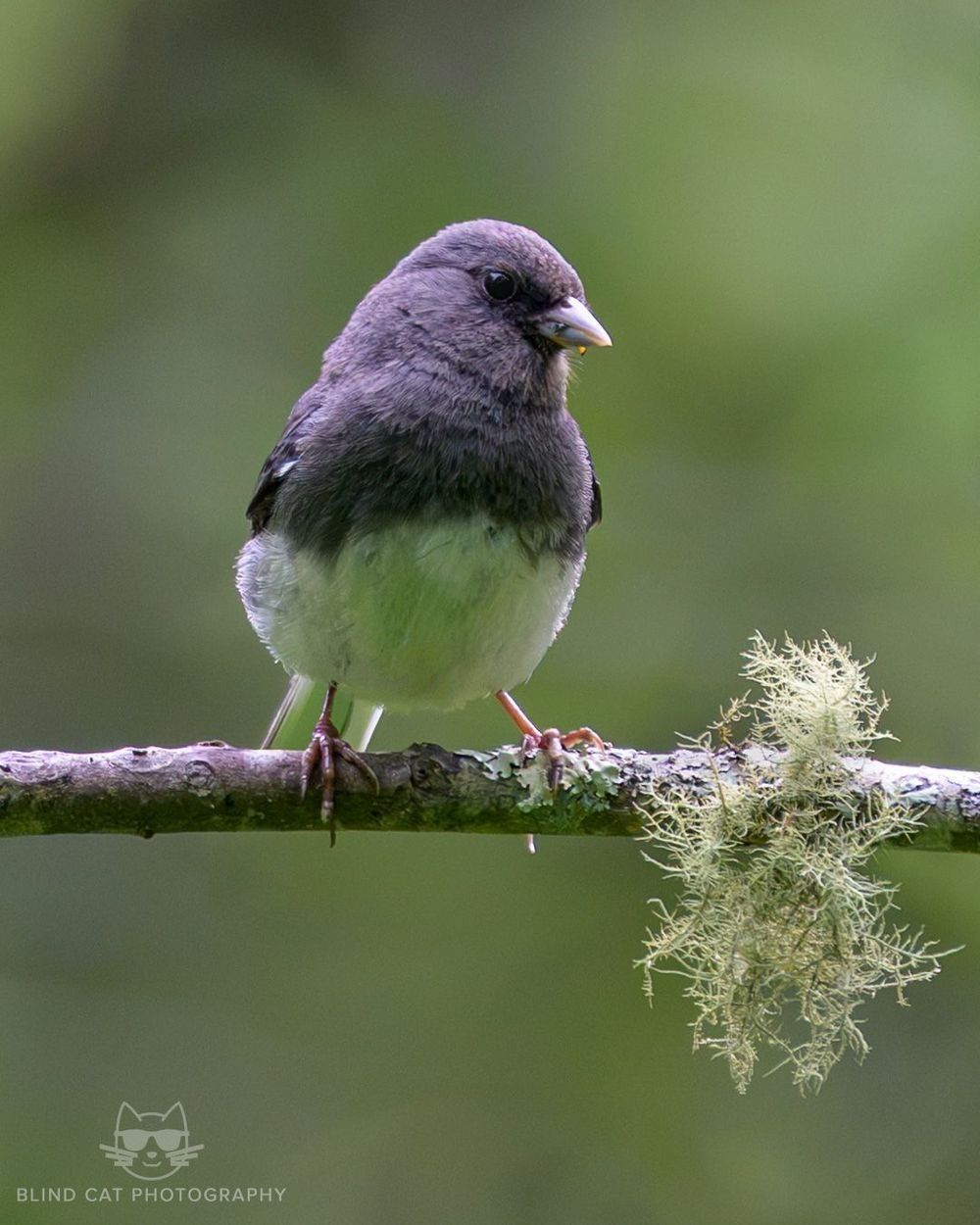
The Dark-eyed Junco adds another dimension to the story.
Many people farther south associate juncos primarily with winter, when these familiar "snowbirds" appear at feeders and along woodland edges. In the southern Appalachians, however, the mountains provide cool high-elevation habitat where juncos can remain during the breeding season.
Along the Blue Ridge Parkway, I've photographed both a recently fledged juvenile and an adult during summer.
Seeing a juvenile in these mountains changes the context of the observation. The Parkway isn't simply a place where a junco happened to stop. It is part of a functioning breeding landscape where birds can establish territories, nest and raise another generation.
One Landscape, Many Habitats
Taken individually, each photograph documents a bird. Viewed together, they tell a larger ecological story.
The Blue-headed Vireo represents mature forest. The Chestnut-sided Warbler demonstrates the importance of younger and regenerating habitat. The Dark-eyed Junco reflects the distinctive conditions provided by the Appalachian high country.
And there are many more.
The National Park Service notes that the Parkway's range of elevations provides habitat for both northern and southern bird species. Its high mountains even provide southern refuges for some birds more typically associated with northern forests. The Parkway also functions as habitat for numerous species moving through the region during migration.
Protecting the landscape therefore does more than protect the birds we see there during summer. It also preserves habitat used by migrants that may stop for only a short time before continuing journeys that extend far beyond Western North Carolina.
National Public Lands Day: Protecting the Places Behind the Photographs
National Public Lands Day falls on Saturday, September 26, 2026. Coordinated by the National Environmental Education Foundation, the annual event brings volunteers and public-land organizations together for conservation and stewardship projects across the country. The 2026 theme is “Caring for Our Shared America.”
For me, that idea connects directly with bird photography.
The photographs I bring home from the Blue Ridge Parkway are mine, but the landscape that made them possible belongs to all of us. More importantly, those forests are habitat—places where birds feed, nest, raise young, migrate and survive from one season to the next.
A Blue-headed Vireo singing from the canopy, a Chestnut-sided Warbler moving through mountain vegetation, or a young Dark-eyed Junco beginning its life in the high country is a reminder that public lands are much more than beautiful scenery.
They are living landscapes.
And protecting those landscapes helps ensure that the birds of the Appalachians continue to have a place here too.