
Fall Warbler Migration: An Early Morning with Blue Ridge Audubon
Sep 13, 2026
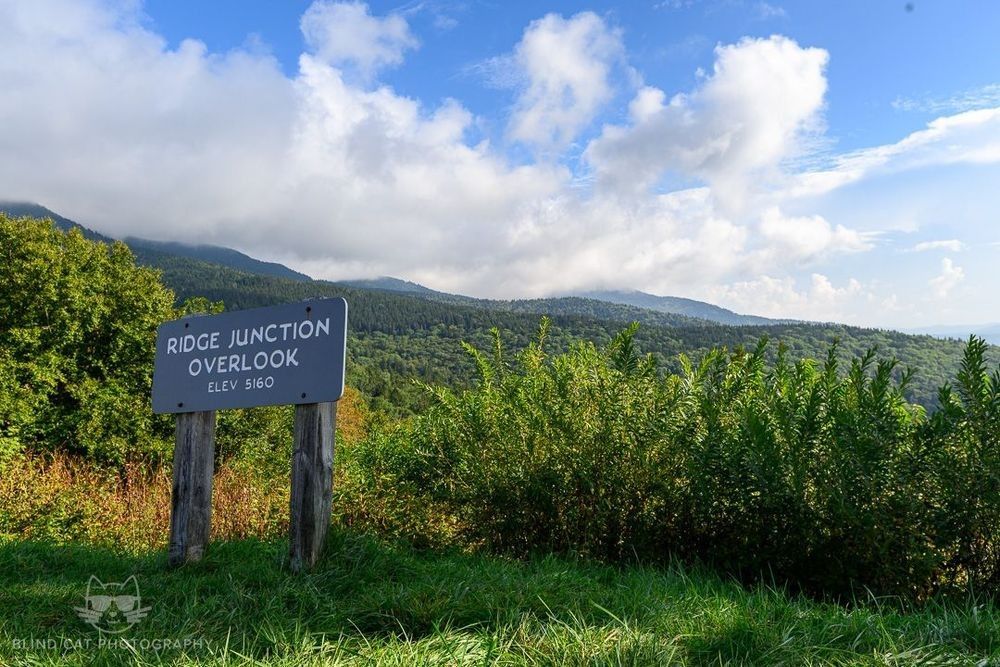 An Early Morning at Ridge Junction Overlook
The morning began at 7 a.m. at Ridge Junction Overlook, near Mount Mitchell State Park. At 5,160 feet, the overlook provides a very different birding environment from the lower elevations of Western North Carolina.
Blue Ridge Audubon chose the location for good reason. The organization describes Ridge Junction as one of the best places in the Blue Ridge to experience fall migration, where warblers and other songbirds can move through the mountain gap in impressive numbers. On particularly active mornings, hundreds of birds may pass through, and previous counts have included more than 25 species of warblers.
The event was well attended, with birders of different ages and experience levels scanning the surrounding trees. That mix was part of what made the morning enjoyable. Some people quickly recognized calls or movement in the canopy, while others were getting a closer introduction to the challenge of identifying fall warblers.
Why September Is Warbler Season on the Blue Ridge
Fall migration is very different from spring birding.
Warblers generally migrate at night and spend daylight hours resting and replenishing the energy used during their flights. Weather and winds can influence how many birds migrate on a particular night, creating mornings when migrants seem suddenly abundant at productive stopover locations.
By September, identifying them can also become more challenging. Males may no longer display the crisp breeding appearance familiar from spring field guides, young birds are joining the southbound population, and the forests are much quieter without persistent breeding songs.
Instead, birding becomes an exercise in watching movement, shape, feeding behavior, and subtle plumage details.
Three Warblers from the Morning
 |
 |
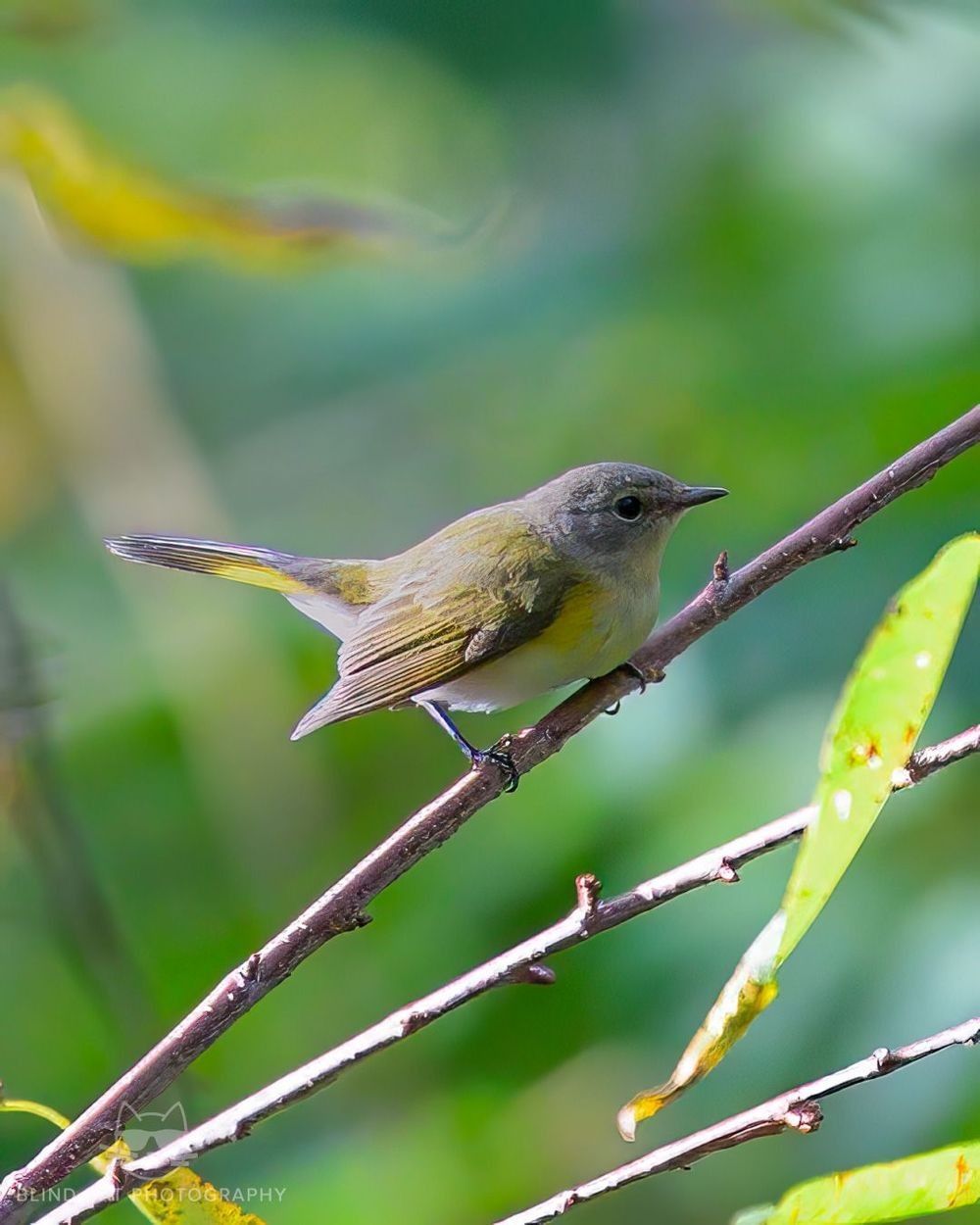 |
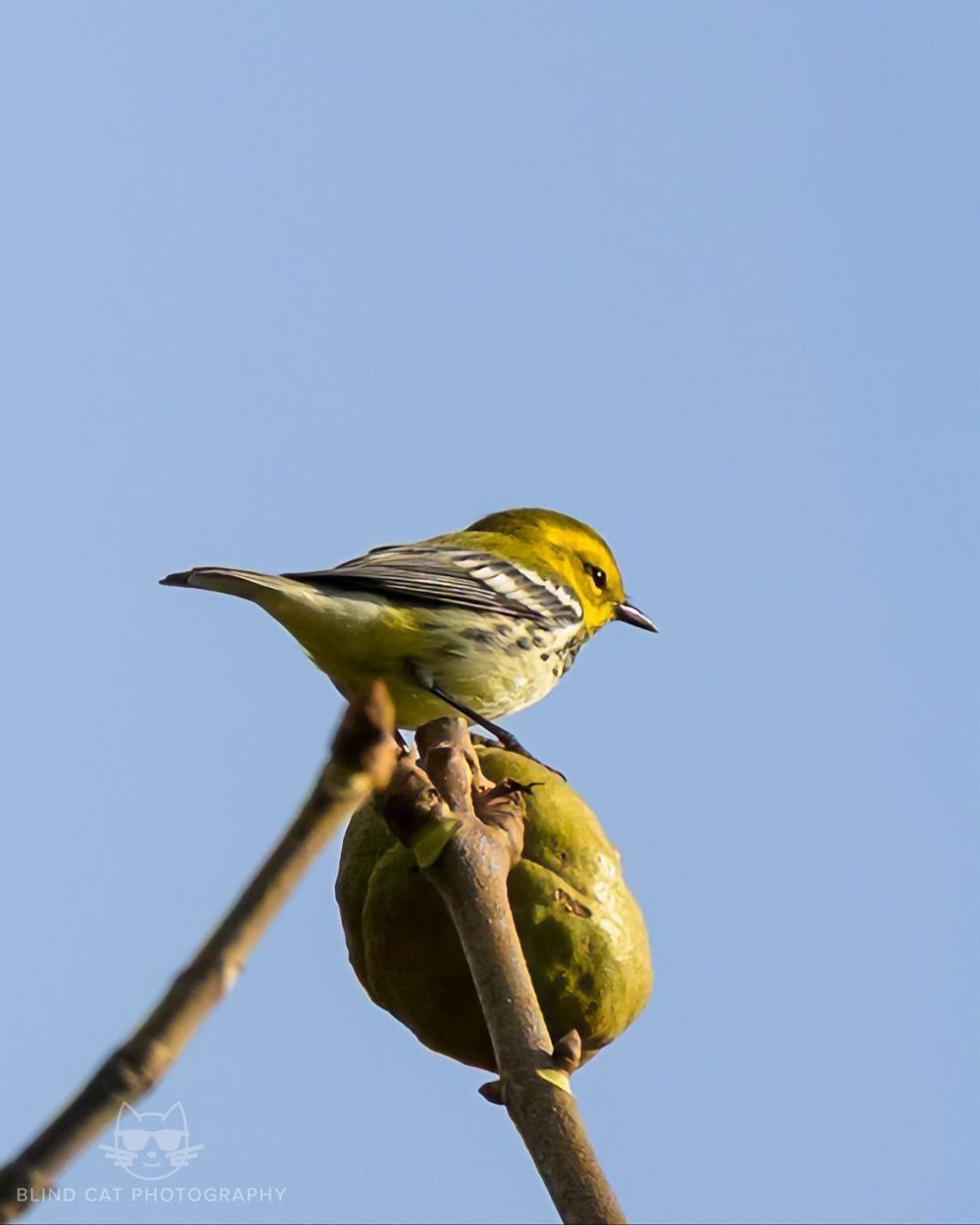
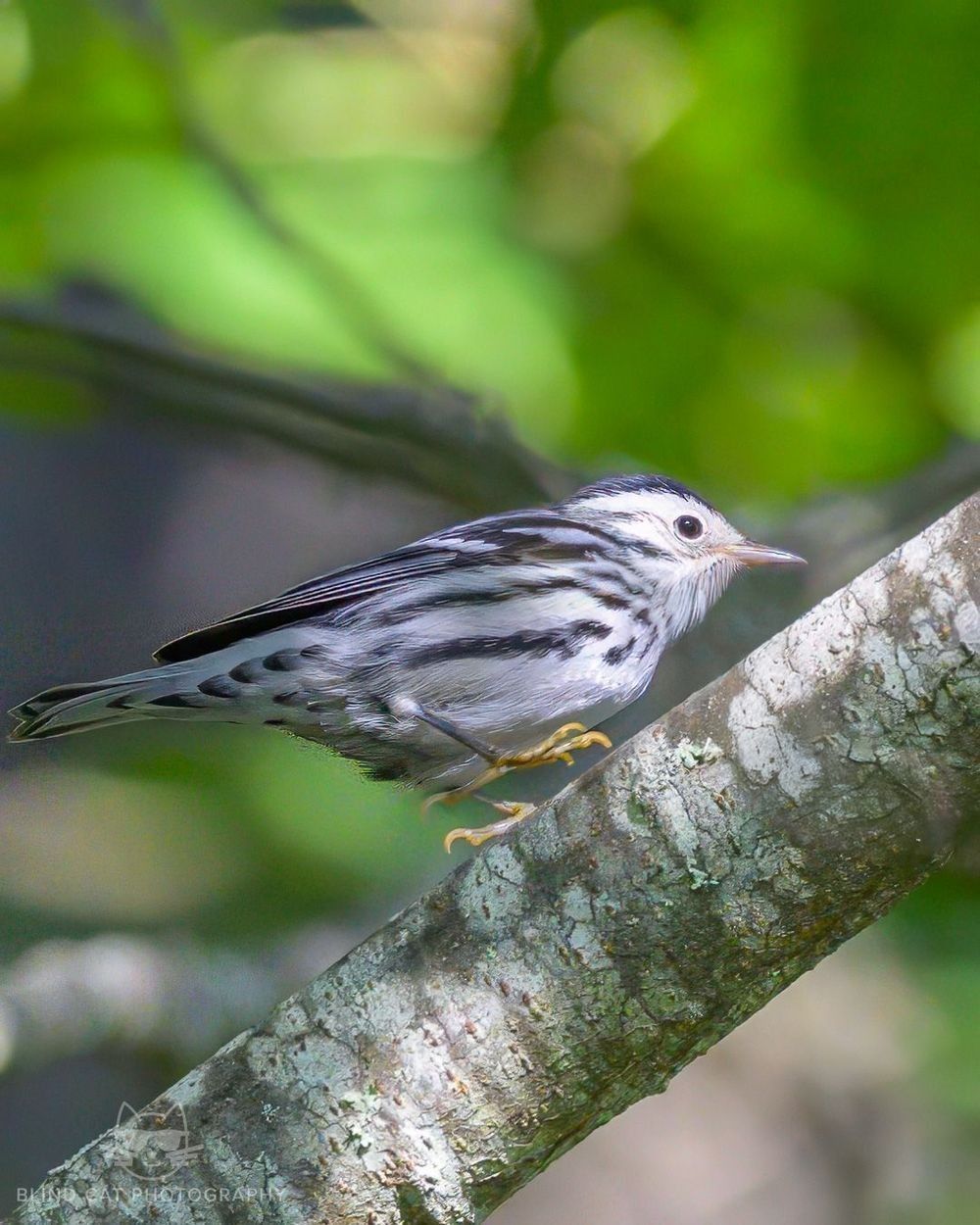
Among the birds I was able to photograph were a Black-throated Green Warbler, Black-and-white Warbler, and American Redstart—three species with distinctly different ways of moving through the forest.
The Black-throated Green Warbler is primarily a foliage gleaner, searching leaves and small branches for insects. In the southern Appalachians, the species also breeds in mixed hardwood forests, and during fall migration it often joins mixed-species flocks.
The Black-and-white Warbler approaches feeding very differently. It moves along trunks and large branches almost like a nuthatch, probing bark and crevices for insects. Its heavier legs and unusually long hind claw help it cling to bark as it searches.
American Redstarts bring still another strategy. They are active hunters, frequently spreading and flicking their wings and tails while moving through vegetation, behavior thought to help flush insects into view. September and early October fall within their primary southbound migration period.
Seeing three different warblers using the same mountain habitat in such different ways was a good reminder that migration is not simply about birds passing through—it is also about finding the food and shelter necessary to continue the journey.
The Blue Ridge Mountains as a Migration Corridor
The Blue Ridge Parkway is best known for mountain scenery, but during migration those forested ridges become part of a much larger seasonal movement.
For a small warbler traveling hundreds or even thousands of miles, suitable habitat along the route provides opportunities to stop, feed, rest, and rebuild energy reserves before continuing south. The American Redstart, for example, is a long-distance migrant whose eastern populations eventually reach wintering areas from Florida and the Caribbean into northern South America. Black-and-white Warblers may travel as far as northern South America.
From our perspective at Ridge Junction, we were seeing only a few moments from those much longer journeys.
Birding as a Shared Experience
One of my favorite aspects of the morning had little to do with getting photographs.
A well-attended event with birders of different ages and experience levels turns migration into a shared experience. Someone notices movement. Another person identifies a call. Binoculars turn toward the same tree, and suddenly everyone is searching for a bird that may remain visible for only seconds.
Events like this also demonstrate the role organizations such as Blue Ridge Audubon play in Western North Carolina. The chapter serves Buncombe, Henderson, and surrounding counties, offering public bird outings and programs while working to protect birds and the habitats they depend upon.
For me, the morning at Ridge Junction was a combination of photography, migration, and community. The Black-throated Green Warbler, Black-and-white Warbler, and American Redstart were highlights, but the larger story was unfolding all around us: another fall migration moving quietly through the mountains of Western North Carolina.